World Financial Centers
World Financial Centers represent the epicenters of global economic activity, where capital flows, trade decisions are made, and financial strategies are shaped. These hubs are more than just cities—they are dynamic ecosystems that influence markets, drive innovation, and connect economies across borders. Understanding their significance offers valuable insights for professionals in finance, design, marketing, and beyond.
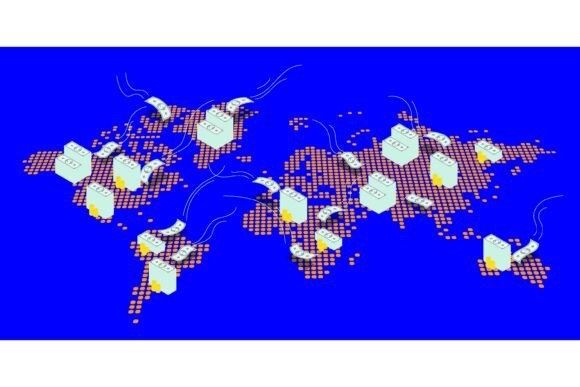
From New York and London to Singapore and Dubai, each financial center has its own unique identity, driven by factors like regulatory frameworks, access to capital, and cultural influences. The Global Dollar System World Map visually captures this complexity, offering a clear and compelling way to explore these centers and their roles in the broader financial landscape.
What Makes World Financial Centers Unique
World Financial Centers stand out due to their concentration of banks, stock exchanges, and financial institutions. They serve as gateways for international trade and investment, often acting as bridges between different regions and economies. Their strategic locations, combined with advanced infrastructure and skilled workforces, make them essential players in the global economy.
These centers also reflect the evolving nature of finance. As digital currencies, fintech, and sustainable investing gain traction, many financial hubs are adapting to stay relevant. This adaptability is what makes them fascinating subjects for analysis, discussion, and creative representation.
Creative Applications of World Financial Centers
The visual representation of World Financial Centers opens up a range of creative possibilities. For designers, it can serve as a foundation for infographics, data visualizations, or educational materials. Marketers might use it to highlight the global reach of their brands or to illustrate the impact of financial trends on different regions.
Entrepreneurs and educators can leverage such visuals to explain complex economic concepts in an engaging way. By using a map like the Global Dollar System World Map, they can simplify abstract ideas and make them more accessible to a wider audience. This is especially useful in presentations, workshops, or online courses focused on finance, geography, or business strategy.
Adapting World Financial Centers for Different Audiences
One of the strengths of World Financial Centers is their versatility. Depending on the audience, the same visual can be adapted to suit various needs. For example:
- Students and Educators: Use the map to teach geography, economics, or business studies. Highlight key cities, their roles, and how they interact globally.
- Business Professionals: Incorporate the map into reports, presentations, or client briefings to illustrate market dynamics and investment opportunities.
- Designers and Creatives: Draw inspiration from the map’s layout and style to create new visual projects, such as posters, digital illustrations, or interactive media.
By tailoring the presentation of World Financial Centers, users can ensure their message resonates with the intended audience while maintaining clarity and relevance.
Practical Tips for Using World Financial Centers Visuals
When working with visuals like the Global Dollar System World Map, consider the following practical tips to maximize effectiveness:
- Keep It Simple: Avoid cluttering the design with too much information. Focus on key elements like major financial centers, their relative importance, and connections between them.
- Use Consistent Styles: Maintain a cohesive look and feel across all visual elements. This helps reinforce the message and makes the content more digestible.
- Highlight Key Trends: Use color, size, or placement to emphasize important data points, such as emerging financial hubs or shifts in global economic power.
- Combine With Data: Pair the map with charts, graphs, or statistics to provide a more comprehensive view of financial trends and patterns.
These strategies help ensure that the visual remains both informative and engaging, regardless of the platform or medium used.
Real-World Examples and Use Cases
World Financial Centers visuals have been used in a variety of real-world scenarios. For instance:
- Financial Reports: Companies often include maps to show their global operations or the locations of their clients and partners.
- Educational Materials: Teachers and professors use such visuals to illustrate lessons on international trade, economic systems, or financial markets.
- Marketing Campaigns: Brands may incorporate these maps into campaigns to showcase their global presence or to connect with audiences in different regions.
Each of these examples demonstrates how World Financial Centers can be leveraged to meet specific goals, whether it's informing, persuading, or inspiring action.
Conclusion: Embracing the Power of World Financial Centers
World Financial Centers are more than just geographic locations—they are vital nodes in the global economic network. Their visual representation, such as the Global Dollar System World Map, provides a powerful tool for understanding, analyzing, and communicating complex financial concepts.
By exploring the creative and practical applications of these visuals, professionals across industries can enhance their work, engage their audiences, and gain deeper insights into the world of finance. Whether you're a designer, marketer, educator, or entrepreneur, the potential of World Financial Centers is vast and worth exploring.